

Medical PC product development according to the Medical Device Directive and EN60601-1-2 (EMC)

Werth Systems images in production, coming soon

The European Union Medical Device Directive (MDD) define precise rules for the product sector of medical computers which include, among other important aspects, a safe design for patients and medical staff. Therefore, the product development process is very demanding and a selection of aspects, which need to be taken into account, are presented in the following. Although a medical computer looks like a regular computer, much stricter norms regarding their safety and functions apply to them.

In this section, we will focus on Medical PC product development by applying EN60601-1-2 tests, as they define the most stringent restrictions on what types of Medical PCs companies can manufacture. EMC consists of different radio magnetic radiation, at different frequencies, that interferes with sensitive medical devices. The medical PC must be below the radiation limit values set by EN60601-1-2. 

The first important step in the developing process is the design of a suitable frame. In this regard it is important to select the right materials, that keep radio-magnetic radiation inside the device and at the same time support the thermal management perfectly to ensure a long life cycle of the device. The computer’s motherboard and the layout of its components on the circuit board determine the size of the case.

The motherboard is the foundation of the design and determines the suitability of the device for the demanding conditions of the patient environment. What makes choosing the right part particularly difficult is, that there are no manufacturers who are specialized in the production of motherboards for medical computer systems. This is due to the reason, that the market is far too small for the major motherboard manufacturers. Therefore, the Medical PC manufacturer has to find the best selection on the standard market. Proper interfaces, support of operating systems, good EMC filtering, but above all a huge amount of testing is needed. There are only a few motherboards that meet the general requirements on paper, and from these the most appropriate one has to be selected based on thorough testing. Moreover, are the motherboards not designed for passive cooling, which is one of the most important features of a medical computer. Due to this reason, it is important to know how the placement of different components on the motherboard affects heat management and how they radio magnetic radiation is produced when it is heated.

This can only be demonstrated by long-term testing and the measurement of values in different situations. This knowledge and expertise noticeably saves time in product development. It is more difficult to get a wrong type of motherboard through the EMC tests. The processor is of great importance for the life cycle and heat management of the device. The more powerful the processor, the longer the life cycle, but the more difficult it is regarding heat management. An efficient processor and good heat management can be resolved on a separate PC, but in a panel PC is the realization of a proper heat management due to the display and the size of the device restricted.

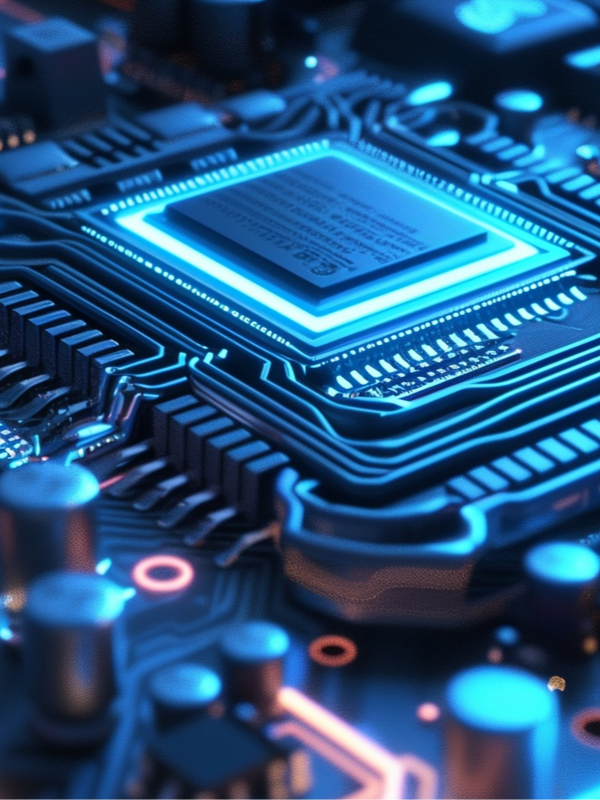
Werth Systems Medical Computer Motherboard close up AI configured

"All our Smart Med Medical Computers are subjected to our own design and development process, which is based on the MDD specification to ensure a flawless system".

When the right case and motherboard has been found, its cooling elements and the positioning of the gate openings are planned and eventually CAD-modeled. Each motherboard model is an individual and the components and ports are different from those of the other motherboards. CNC machines require precise settings and customized tool heads have to be produced for different work steps. When ultimately product development produces a prototype after months of development work, the final testing begins. When theories begin to transcend into practicality, and when the device also works in the controlled tests, it is time to start the EN60601-1-2 tests which are carried out by an authorized test facility.

EMC tests are very demanding. A well-designed case can leak radiation at different frequencies. Experience, however, helps to control and prevent radio magnetic radiation. The tests do not give a rating, but everything needs to be right. Receiving 99 points / pass of a test is not enough, only the full points mean the success of the test and the EN60601-1-2 certification passage. Test facilities also require a detailed document on risk management. The test facility will issue a signed certificate, enabling the medical-PC manufacturer to enter the required EN60601-1-2 requirement in his CE certificate.

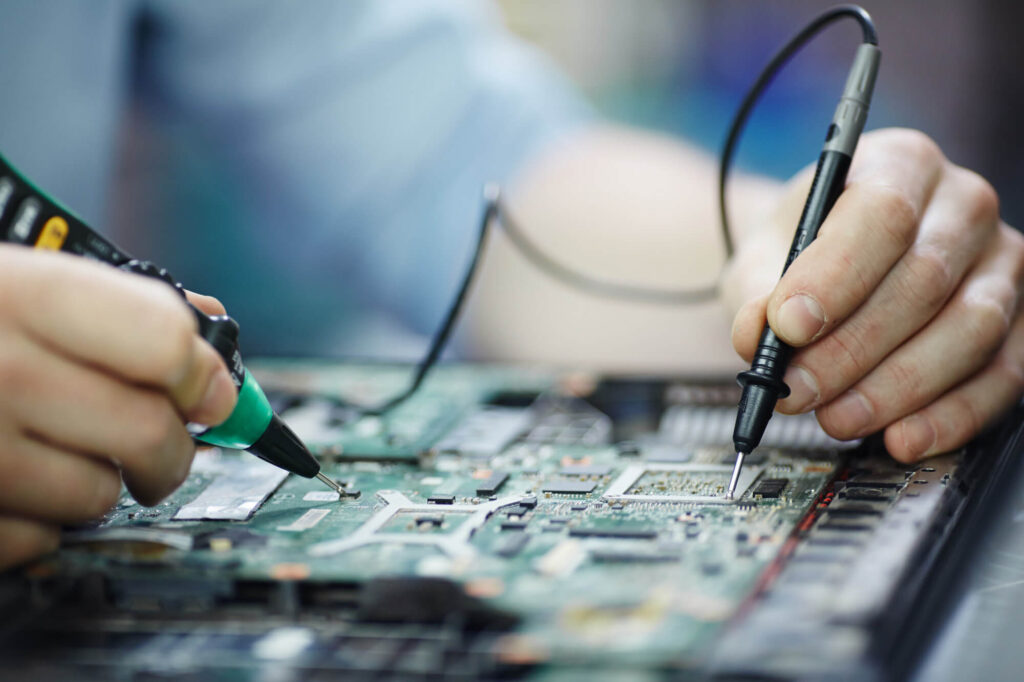
Werth Systems inhouse technical service and repairing of medical computer, panel PCs and a lot more

Discover our Medical Box and Panel PCs

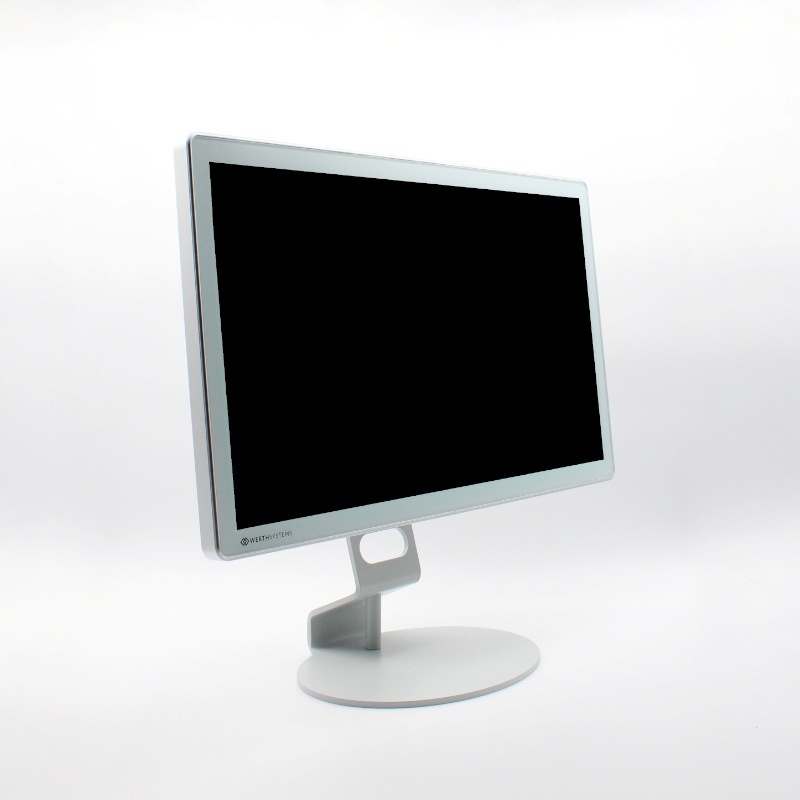
Werth Systems CMP-2450 All-in-One-PC side view

WERTH SYSTEMS CMP-2450

WERTH SYSTEMS CMP-2450 All-in-One-PC is our 23,8″ fanless and extendible medical panel pc in a durable and cleanable aluminum case with PCT-Touch-Glass front and a PCIe x16 Slot for additional Cards.
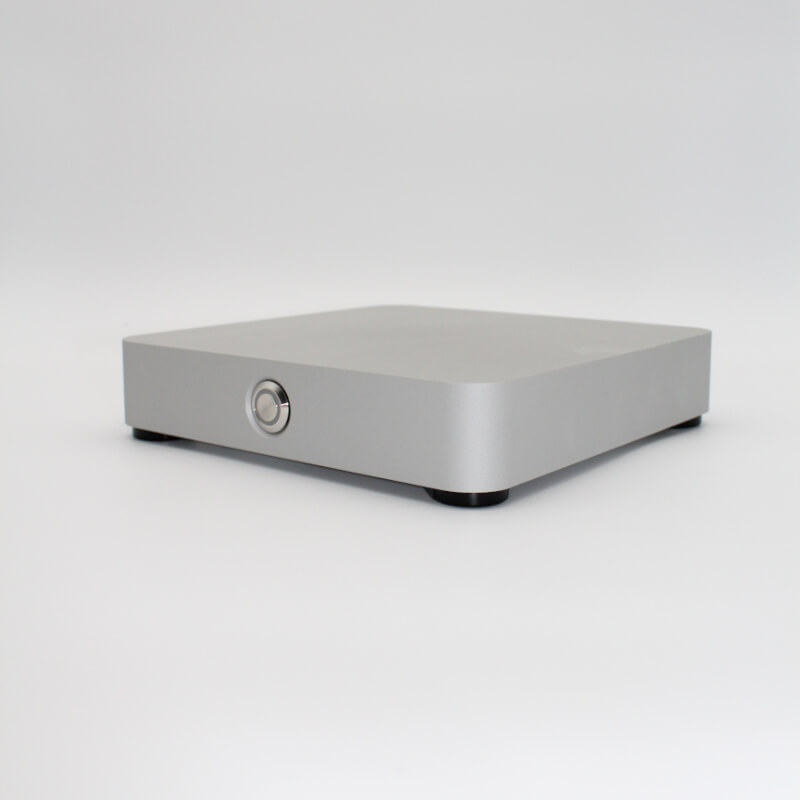
Werth Systems XE-850 Medical fanless computer with hygiene optimized design front and side view

WERTH SYSTEMS XE-850

The WERTH SYSTEMS XE-850 Medical Computer is our compact, fast and fanless Medical Box PC in an aluminum housing especially designed for hygiene sensitive areas and it is a perfect solution for e.g. PDMS applications.
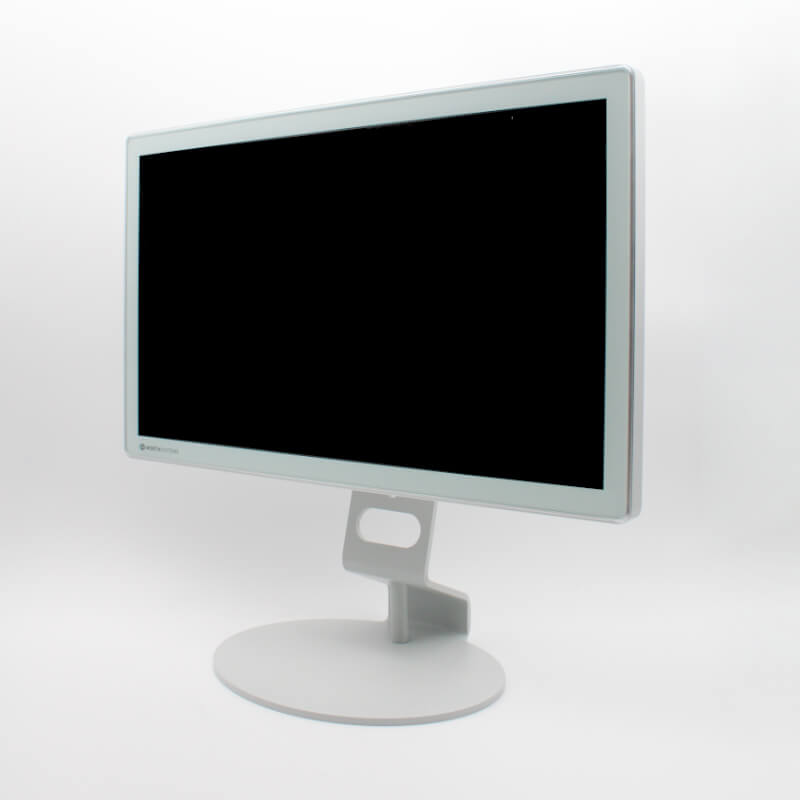
Werth Systems PXE-2250 All-in-One Panel PC angle front view

WERTH SYSTEMS PXE-2250

The WERTH SYSTEMS PXE-2250 is fanless 21.5″ medical Panel PC in a closed aluminum case and with full flat IP65 PCT-Touch-Glass-Front. Made for those looking for a high-quality, robust device without a lot of bells and whistles.

Contact us

Do you have questions regarding our products and services? Please contact us via phone or E-Mail.

Via Phone & E-Mail

Our service hours

You can reach us Monday through Friday as follows: